Why Are Health Insurance Costs So High in 2026?
You are not alone.
Many woke up shocked at their increase in health insurance bill on January 1st, 2026.
Your marketplace plan costs are so high this year are for three main reasons. We returned to original government subsidies, the health insurance market increase 15-35%, and we returned to the original subsidy cliff at 400% FPL (Federal Poverty Level).
Understanding the Healthcare Marketplace
The healthcare.gov marketplace is a platform for various health insurance companies to offer health insurance plans. These plans must meet certain requirements. Some requirements include no pre-existing conditions, requiring coverage for therapy, specialty drugs, pregnancy and delivery. The program sometimes allows government money to pay for parts of your health insurance cost.
The ACA started in 2013. These plans have been simple-to-use, work like employer group plans and often low cost. Those with lower income and/or high medical care needs find the most use of healthcare.gov plans. Health insurance plans not on healthcare.gov do not have the same rules and coverage requirements.
What is Federal Poverty Level (FPL)?
Federal Poverty Level (FPL) is a formula of your family size and your household income. How much total money each member will earn for the year and your total family size fits you into an FPL percentage. This tells the government how much you pay and how much they pay.
The 400% Subsidy Cliff
One of the biggest drawbacks of the ACA is the 400% FPL subsidy cliff. This means if the combination of your income and family size exceeds 400% FPL, you will pay 100% of the cost. Only $1 over the cliff and you pay 100% of the health insurance costs for the entire year.
Pandemic-Era Changes to Healthcare Subsidies
In 2020, the US government declared a pandemic over a coronavirus outbreak. Emergency authorizations allowed the government to expand their funding to programs. Programs like Medicaid and healthcare.gov received temporary funding and looser rules. Healthcare.gov plans had two massive changes:
- The subsidy cliff extended to 750% of the Federal Poverty Level
- The government began paying more than normal
Let's give you an example. Say your ratio 50% of the health insurance bill. After the emergency authorization, your cost was only 20% of the bill – at the same income and family size.
These extra government payments stayed constant for nearly four years. Many thought these temporary changes was how it always been and became normal.
Political Uncertainty and the 2025 Government Shutdown
Last fall, two extra pressures caused more uncertainty and confusion. The extra emergency government help was set to expire at the end of 2025. Congress was to vote if they would extend the extra help, or return back to the original. This became a hot button topic. Congress shut down the government.
This resulted in 30 days shorter open enrollment window to choose the right plans. No one knew if the plans would cost you 20% or the original 50% of the total insurance cost. Those who are in the 400+% subsidy cliff did not know if they would be get any help or if they were going to pay 100% of the costs. We dealt with many frustrations and much uncertainty.
Congress Returns to the Original Rules
Congress made a final vote after open enrollment. In January 2026, Congress chose to go back to the original rates and rules.
If you saw your health insurance costs jumped 2-3x or 10x, you may now know a bit more why! The combination of government shut down and delayed voting is what made this such a surprise.
Returning to original government subsidy, 400% FPL, and the large health insurance rates caused increases. Congress' delayed voting and shut down caused the surprises and
Good News: There Are Other Options
The good news: if you’re considering going uninsured mid-year or having trouble paying your premiums, it is not too late to explore true insurance not on the marketplace. Reach out to the Chamber for our group benefit and retiree benefit plans available to you as a chamber member!
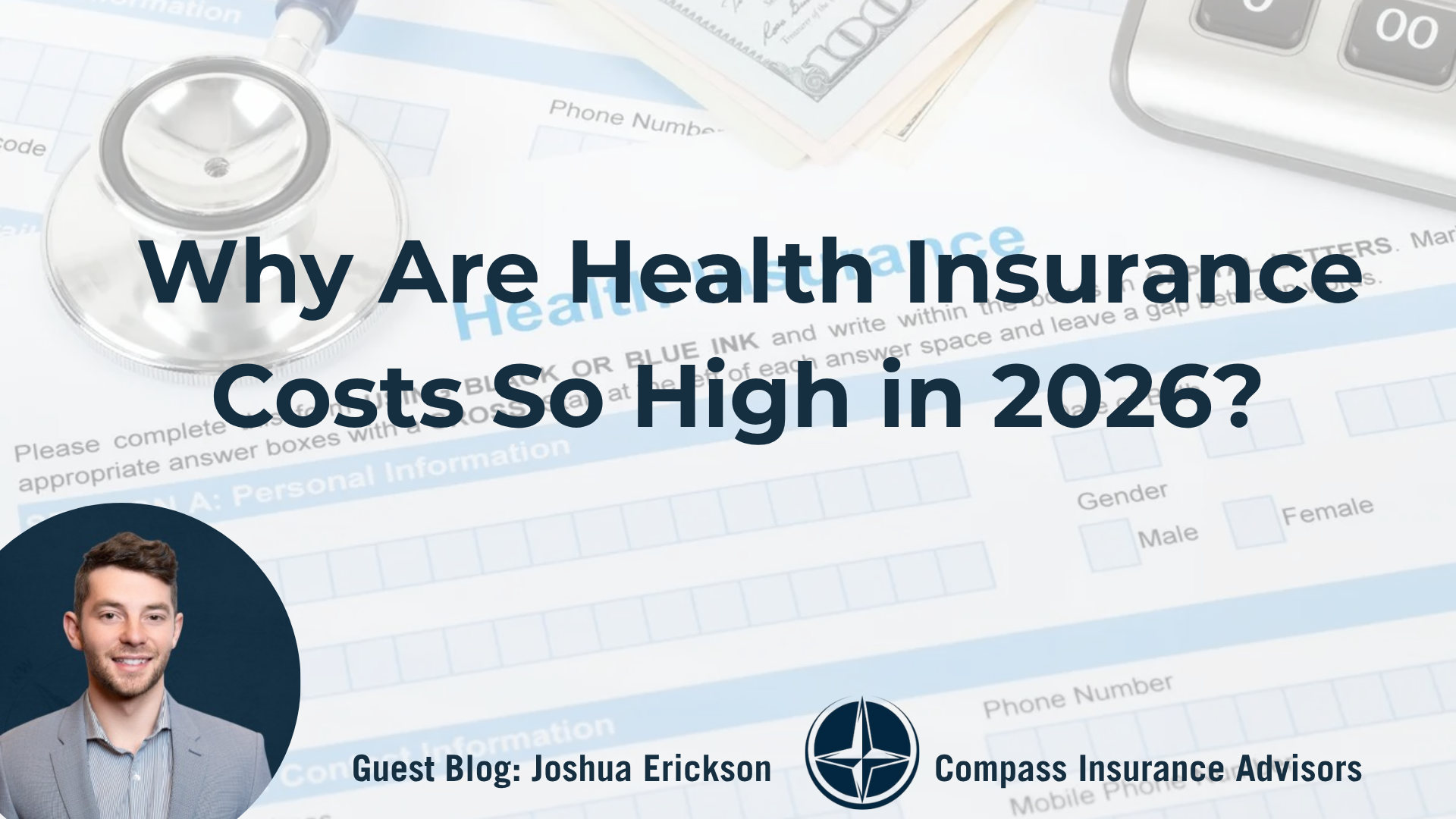
Guest Blogger: Joshua Erickson
Eagle Mountain resident Joshua Erickson is a seasoned insurance strategist with seven years of industry experience and going on fifth successful open enrollment cycle. An honors Finance graduate from UVU and a Wolverine Fund alumnus, he leverages his high-level analytical background to bring Wall Street-level precision to local benefits planning.
Joshua Erickson specializes in stabilizing corporate budgets by securing level and flat renewals for employee and retiree benefits, while also providing sophisticated advocacy for individuals targeted by the IRS.
By bridging the gap between complex finance and practical coverage, he delivers predictable, long-term stability for his neighbors and their businesses.
_______________________________________
Facebook: @Josh.e223
Instagram: /joshuae223
LinkedIn: @joshuaerickson1a